


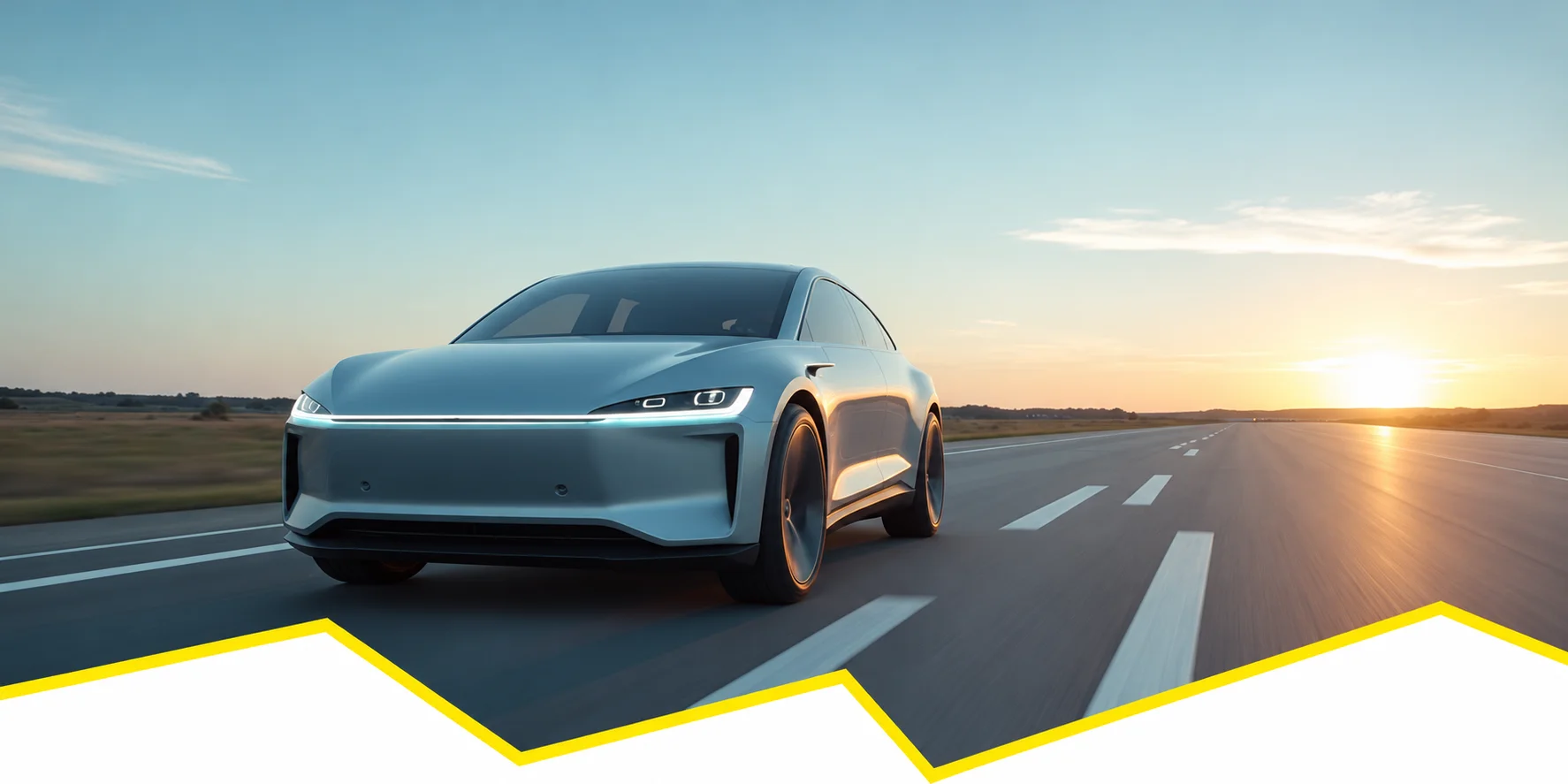
Future Strategies for the Automotive Industry: Opportunities and Risks of AI, Hydrogen and E-Mobility
The automotive industry is at a turning point. New technologies such as artificial intelligence (AI), hydrogen drives and e-mobility are fundamentally changing the industry. For manufacturers and suppliers, the question arises as to what they should rely on and invest in today in order to remain competitive in the long term. This article sheds light on the most important trends, highlights opportunities and risks and provides concrete advice on how the industry can shape the future.
Artificial Intelligence in the Automotive Industry
AI is changing the automotive industry on several levels. It optimizes production processes, improves vehicle intelligence and enables new mobility concepts.
Opportunities:
- Increased efficiency in production: AI-controlled robots and automated quality controls reduce errors and costs.
- Autonomous driving: AI systems enable self-driving vehicles that increase safety and create new mobility services.
- Personalized driving experiences: AI analyzes driving behavior and adapts vehicle functions individually.
Risks:
- High investment costs: The development and integration of AI require large financial resources.
- Privacy and security: Connected vehicles are vulnerable to cyberattacks.
- Regulatory uncertainties: Legal framework conditions for autonomous systems are still being developed.
For suppliers, this means specializing in AI components and software solutions in order to remain attractive as a partner to OEMs.
Hydrogen as the energy carrier of the future
Hydrogen is gaining traction as an alternative to fossil fuels, especially for heavy vehicles and long distances.
Opportunities:
- Fast refuelling: Compared to batteries, refuelling with hydrogen takes only a few minutes.
- Long range: Hydrogen vehicles achieve ranges that are difficult to achieve with electric cars.
- Environmental friendliness: No CO2 emissions are generated during use, provided that production is carried out with green electricity.
Risks:
- Lack of infrastructure: Hydrogen filling stations are still rare and expensive to build.
- High production costs: Green hydrogen is currently still expensive to produce.
- Technical challenges: Storage and transport of hydrogen require special safety measures.
Car manufacturers and suppliers should enter into partnerships with energy companies and invest in research to make hydrogen technologies ready for the market.
E-mobility as a central trend
Electric vehicles (EVs) are the fastest-growing area in the automotive industry today.
Opportunities:
- Government subsidies: Many countries support the purchase and production of EVs.
- Falling battery costs: Advances in battery technology are lowering prices and increasing range.
- Growing demand: Consumers are increasingly attaching importance to sustainable mobility.
Risks:
- Commodity dependency: Lithium, cobalt, and other materials are limited and often politically sensitive.
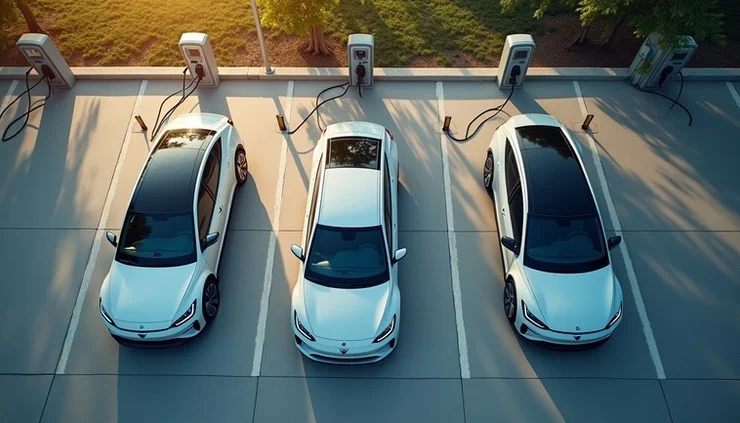
- Charging infrastructure: The expansion of charging stations is lagging behind demand.
- Disposal and recycling: Batteries must be recycled in an environmentally friendly way, which has not yet been solved across the board.
Suppliers can benefit from the development of battery cells, charging infrastructure and energy management systems.
Other trends and their significance
In addition to AI, hydrogen and e-mobility, there are other developments that are influencing the industry:
- Humanoid robots in production: They can take on repetitive tasks and increase flexibility.
- Connected vehicles: Car-to-X communication improves road safety and traffic flow.
- Defense technologies: Security aspects are becoming increasingly important due to autonomous systems and connected vehicles.
These trends offer additional opportunities, but also require investment in new skills and technologies.
Opportunities and risks at a glance
| Area | Opportunities | Risks | Potential |
|---|---|---|---|
| Artificial Intelligence | Efficiency, autonomous driving, personalization | Costs, Privacy, Regulation | New business models, competitive advantages |
| Hydrogen | Fast refuelling, range, environmental friendliness | Infrastructure, costs, security | Heavy Goods Transport, Energy Storage |
| E-mobility | Funding, falling costs, demand | Raw materials, charging infrastructure, recycling | | Mass market, sustainable mobility |
| Humanoid robots | Flexibility, productivity | Integration, Costs | Automation, new production methods |
| Connected Vehicles | Safety, Traffic Management | Cybersecurity, Data Protection | Smart cities, new services |

Conclusion and outlook
Today, the automotive industry must invest specifically in AI, hydrogen and e-mobility in order to remain fit for the future. Each of these areas offers great opportunities, but also brings challenges. Decision-makers should pursue a balanced strategy that promotes innovation while minimizing risks. Cooperation between manufacturers, suppliers and energy companies is crucial for establishing new technologies quickly and efficiently.
